
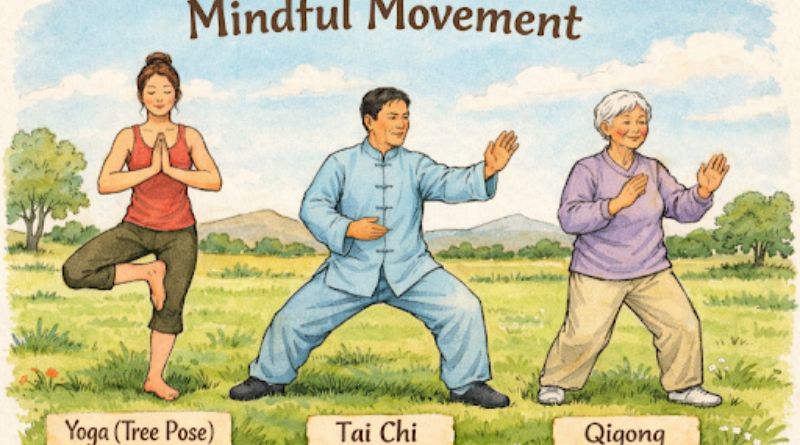
Everyday wellness is often described in terms of diet, sleep, and regular exercise, but mindful movement has become a powerful, holistic approach for improving both physical and mental health. Whether you are seeking improved flexibility, relief from chronic pain, or emotional balance, practices such as yoga, Tai Chi, and Qigong offer an evidence-based pathway toward better living. For those new to these practices, exploring virtual Tai Chi classes for beginners is a simple way to get started and discover the benefits firsthand.
Mindful movement emphasizes a deep synergy of body and mind. By bringing conscious attention to each breath and motion, practitioners reframe exercise as more than just physical activity. This approach nurtures a healthy awareness of sensations, emotions, and thoughts, which fosters overall well-being. Integrating these practices can be life-changing, particularly in a modern world that often prioritizes performance over presence.
Research is rapidly unfolding around the science of mindfulness and movement. Emerging studies show that just a few minutes each day can help manage stress, improve cardiovascular health, and even promote resilience against anxiety and depression. Mindful movement can be adjusted to suit different lifestyles, making it accessible to nearly everyone.
Experts from organizations like Harvard Medical School highlight benefits ranging from joint health to emotional equilibrium, especially as these practices encourage a gentle, adaptable form of exercise. This inclusive nature means mindful movement is appropriate at almost any stage of life or fitness level. With the right resources and regularity, integrating mindful movement into your daily routine is both approachable and realistic.
Understanding Mindful Movement
Mindful movement is characterized by bringing careful attention and conscious awareness to physical activity. This stands in contrast to conventional exercise, which often focuses solely on outcomes or calorie burn. In mindful movement practices, the emphasis is on experiencing each movement intentionally, tuning into bodily sensations, breathing rhythms, and emotions as they arise. This connection unites the mind and body in a shared experience, cultivating calm, presence, and self-compassion during everything from simple stretches to more structured routines.
Physical Health Benefits
The tangible physical benefits of mindful movement are multifaceted. Studies consistently show that gentle, attentive activities like yoga and Tai Chi improve flexibility and support musculoskeletal health, lowering the risk of injuries. Regular practice broadens the range of motion, strengthens stabilizing muscles, and sharpens balance, making falls much less likely, particularly beneficial for older adults.
Cardiovascular improvements are also a hallmark. Mindful movement encourages relaxation, which sends signals to the body’s stress response system, helping to stabilize blood pressure and heart rate. Chronic pain relief is another significant outcome, as these practices help break cycles of pain and tension through increased body awareness and softening of habitual stress responses.
According to Johns Hopkins Medicine, yoga and related mindful movement routines serve as safe, effective ways to support heart health and reduce inflammation. These holistic approaches are well-suited for those seeking both gentle and effective exercise options.
Mental and Emotional Well-Being
Beyond physical benefits, mindful movement offers robust support for mental health. These practices have well-documented effects on lowering stress and reducing anxiety. By focusing on bodily sensations and breath, practitioners interrupt the habitual cycles of rumination and worry that often fuel stress and emotional imbalance.
- Stress Reduction: Mindful movement serves as an antidote to the constant stream of daily stressors, allowing individuals to ground themselves in the present moment.
- Mood Enhancement: Numerous studies link mindful movement to lower rates of depression, enhanced mood, and improved outlook on life, partly due to the release of endorphins during exercise and the cultivation of present-moment awareness.
- Mindfulness and Resilience: As you refine your ability to stay present, you develop tools for managing life’s challenges more skillfully, responding rather than reacting.
Scientific American notes that incorporating mindfulness through movement increases emotional resilience and overall well-being.
Neurological Impact
Engaging the body and mind together also leads to remarkable neurological changes. Mindful movement fosters neuroplasticity, the brain’s ability to rewire and form new connections. Over time, regular practice strengthens areas of the brain linked with focus, learning, and emotional control. Cognitive scientists have found that mindfulness-based movement sharpens attention spans and aids memory retention while supporting the brain’s executive functions.
Additionally, consistent practice can decrease reactivity in brain regions associated with stress and anxiety. Connections are reinforced between the prefrontal cortex (involved in decision-making and emotional regulation) and deeper brain structures, resulting in improved emotional management and resilience under pressure.
Practical Steps to Incorporate Mindful Movement
- Choose an Activity: Begin with an accessible practice such as yoga, Tai Chi, Qigong, or even mindful walking. Choose what feels enjoyable and sustainable.
- Set an Intention: Start every session with a clear intention, focusing on presence and self-care rather than performance or end results.
- Start Small: Dedicate five to ten minutes daily, gradually increasing duration as comfort and interest expand. Consistency is key.
- Learn from Experts: Utilize classes, online videos, or instructors to develop proper technique and maintain motivation.
- Remain Consistent: Make mindful movement a regular part of your daily routine, whether in the morning, during lunch breaks, or before bed.
Conclusion
Mindful movement practices elegantly weave together physical vitality and inner harmony. By understanding and embracing the science behind these time-tested exercises, everyday wellness can be cultivated from the inside out. Start small, be patient, and allow the benefits to unfold gradually over weeks and months. Incorporating mindful movement into daily life unlocks new levels of health, clarity, and emotional ease, offering a richer, more connected way to live each day.