
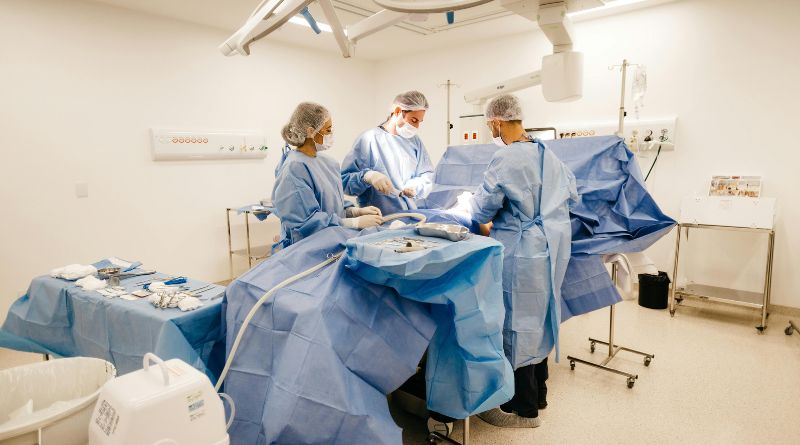
The Rise of Robotic-Assisted Orthopedic Surgery
Robotic-assisted surgery has transformed orthopedic practice, providing significant advances in precision, consistency, and overall patient outcomes. Surgeons across subspecialties, such as joint arthroplasty, spine, trauma, foot, ankle, and shoulder surgery, are adopting robotic systems at an increasing rate. In particular, high-volume centers and technology-forward practices have emerged as leaders in surgical robotics, leveraging innovations in orthopedic surgery with Mako robotics to enhance procedural accuracy and repeatability.
This transformative technology leverages both real-time data and haptic feedback to help surgeons achieve better outcomes with fewer complications. Over the past decade, studies have repeatedly shown that patients benefit from these advances, which are helping to redefine standards of care across orthopedic practice.
Enhancing Precision and Consistency
Modern robotic systems used in joint replacement, particularly semi-active and haptic-guided platforms, significantly increase the accuracy of implant positioning and alignment. Compared to traditional manual techniques, these robotic systems reduce the margin for error and improve the reproducibility of procedures. Clinical evidence indicates early positive outcomes for patients, including reduced postoperative pain, swifter recovery, and greater satisfaction, especially in unicompartmental knee replacements and in the early postoperative period.
Surgeons benefit from this technology as well, thanks to the ability to follow precise, preplanned surgical pathways and make data-informed decisions throughout the procedure. As a result, robotics is paving the way for a new era of patient-centered care and has become a subject of interest in major medical publications.
Integration of AI and Personalized Surgical Plans
Artificial intelligence is advancing rapidly within orthopedic surgical planning. AI algorithms can interpret preoperative imaging to develop individualized patient phenotypes, thereby tailoring outcomes for each case. Platforms like ZBEdge integrate data from consumer wearables to deliver a comprehensive view of the patient’s health before and after surgery.
Companies such as Zimmer Biomet are leading the charge in this transformation, layering AI-powered insights and real-time feedback onto their surgical robotic platforms. These enhancements enable the creation of highly customized surgical plans tailored to each patient’s specific needs and help surgeons deliver optimal results.
Expanding Applications Beyond Joint Replacements
Robotic-assisted technology is no longer limited to large joint replacements. In spinal surgery, surgical robots offer unprecedented accuracy in pedicle screw placement while supporting minimally invasive techniques. Integration of AI-driven workflow automation and robotic technology into ambulatory surgery centers is growing, improving safety and efficiency in outpatient settings. Over the coming years, experts anticipate that next-generation robotic platforms will merge with real-time tracking and computer-assisted alignment tools, expanding capabilities to additional orthopedic procedures and specialties.
Regulatory approval of AI-powered planning tools will further pave the way for broader adoption across the orthopedic landscape, ensuring that procedures remain safer and more personalized for patients.
Challenges and Considerations
While robotic-assisted orthopedic surgery offers remarkable benefits, several challenges remain. High costs and investment requirements can limit access for smaller and rural facilities. The steep learning curve for surgeons and support staff may slow adoption rates, particularly in less-resourced centers. Additionally, variance in technology platforms and regulatory hurdles creates barriers to standardizing care nationwide.
Continued research and investment are necessary to address these issues. The future points toward increased integration of AI-driven decision support, real-time intraoperative imaging, and autonomous tactile technology, each contributing to more individualized and refined orthopedic care for patients of all backgrounds.
Future Directions in Robotic Orthopedic Surgery
Looking forward, the trend in robotic-assisted orthopedic surgery is to develop systems that provide surgeons with real-time feedback, enhanced control, and improved accuracy, while keeping patients at the center of care. Cutting-edge mapping and visualization technologies enable surgeons to see detailed bone structures before their first incision, resulting in highly precise implant placement that matches each patient’s anatomy.
Globally, there is a strong interest in technologies that can reliably reduce variability in surgical outcomes and enhance predictability for patients. As these technologies continue to evolve, the outlook remains optimistic that robotic-assisted surgery will become a standard of care in orthopedics. This will ensure more predictable recoveries and increase both surgeon and patient satisfaction well into the future.
Conclusion
The integration of robotics and artificial intelligence into orthopedic surgery is revolutionizing the field, offering improved precision, personalized surgical plans, and new applications beyond classic joint replacements. While hurdles such as cost and accessibility persist, a future dominated by AI-powered, robotic-assisted procedures is on the horizon. Ongoing innovation promises to deliver even greater advancements, improving outcomes and shaping a new era in orthopedic surgery.