
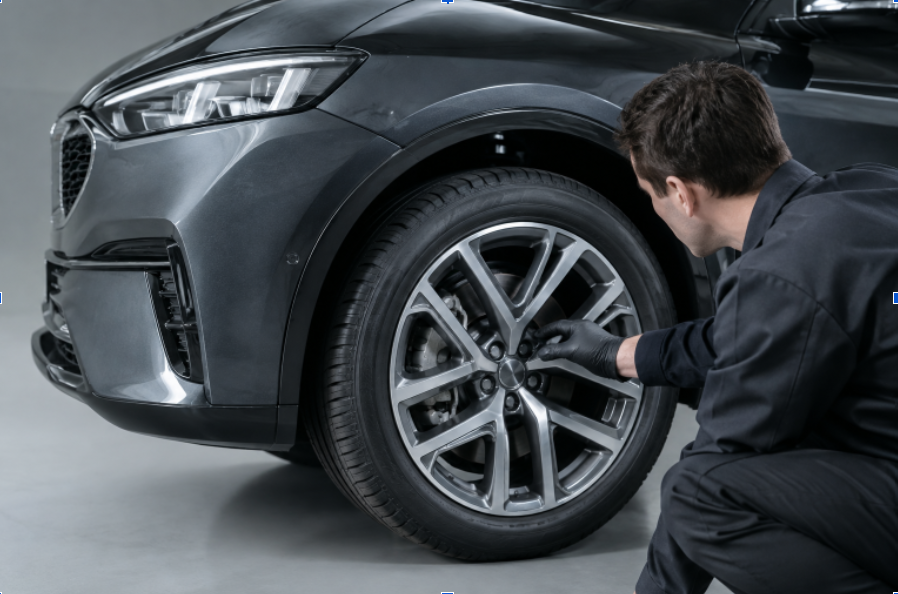
Owning a luxury vehicle in Denver, Colorado, means planning for more than routine oil changes. High elevation, sharp temperature swings, winter traction needs, city driving, and weekend trips into the Rockies can all influence how quickly certain parts and fluids need attention. A thoughtful budget helps owners protect performance without treating every service visit as a surprise. Working with a qualified Bentley service Denver can also make it easier to follow manufacturer requirements, document completed work, and prepare for seasonal driving conditions across the Front Range.
Why Luxury Car Costs Vary
Luxury vehicles may use specialized fluids, performance braking systems, sophisticated electronics, air or adaptive suspension components, and advanced driver-assistance technology. Those systems can require more involved diagnostics than a basic commuter vehicle. Still, a higher purchase price does not automatically mean higher annual maintenance costs. A newer, lower-mileage vehicle with consistent care may need little beyond scheduled service. In comparison, an older low-mileage vehicle can still require tires, a battery, brake service, or fluid replacement because components age even when the car is parked.
The Basics of a Maintenance Budget
Separate predictable maintenance from unplanned repairs. Instead of relying on one annual average, create categories for scheduled inspections, oil and filters, fluids, tires, brakes, batteries, detailing, and an emergency reserve. Review the plan every six months and after a major inspection. Following factory-recommended maintenance is a practical starting point because the exact service schedule is designed for the vehicle’s engine, drivetrain, and equipment.
Four Service Categories to Track
Routine Service
Track oil changes, filters, fluid checks, inspections, tire rotations when applicable, and diagnostic scans. Follow the schedule for the exact model year rather than using a generic mileage rule.
Wear Items
Include tires, brake pads and rotors, wiper blades, belts, batteries, and suspension parts. Denver potholes, stop-and-go traffic, mountain descents, and changing weather can affect wear patterns.
Seasonal Service
Plan cooling-system and air-conditioning checks before summer. Before winter, inspect the battery, tires, lights, wipers, washer fluid, and brakes. Cold conditions in the Denver area can reveal a weak battery or marginal tire pressure more quickly than mild weather.
Unexpected Repairs
Maintain a separate reserve for warning lights, leaks, electrical faults, suspension concerns, and drivability problems. A reserve gives owners time to verify accurate diagnostics rather than making rushed decisions.
Researching Model-Specific Costs
- Find the factory maintenance schedule for the exact model and year.
- Identify major mileage- or time-based services in advance.
- Check replacement specifications for tires, brakes, batteries, and filters.
- Request written estimates that separate maintenance, repairs, taxes, and parts.
- Compare recommendations against the vehicle’s inspection results and service history.
Warranty and Prepaid Maintenance Plans
A factory warranty, extended service contract, and prepaid maintenance plan serve different purposes. A prepaid plan may cover specific scheduled services, while a warranty or service contract may address covered mechanical failures. Review exclusions, deductibles, mileage limits, expiration dates, transfer rules, and approved repair locations before purchasing. Tires, brake wear, cosmetic damage, and maintenance items are often treated separately, so the contract language matters more than a broad sales description.
Choosing a Qualified Service Provider
Price is important, but technical capability matters just as much for a sophisticated vehicle. Choose a provider that can explain diagnostic findings, use the correct fluids and parts, and provide inspection measurements for brakes, tires, battery condition, and alignment. For expensive work that is not an immediate safety concern, a second opinion can be sensible.
Seasonal Maintenance Planning in Denver
Denver owners should consider the vehicle’s full travel pattern, not only daily commuting around the Front Range. Before a mountain drive to the Rockies, confirm tire condition, tire pressure, brakes, coolant, lights, and washer fluid. The National Highway Traffic Safety Administration recommends monthly tire inspections that include inflation pressure, treadwear, and visible damage. After Colorado winters, washing the underbody and checking for road-treatment residue, chipped paint, or damaged seals can help preserve the vehicle’s finish and components.
Why Service Records Matter
Keep a digital folder or spreadsheet with the date, mileage, work performed, parts and fluids used, inspection measurements, warranty information, and recommended follow-up service. Organized records help reveal repeated concerns and give a future buyer a clearer picture of how the vehicle was maintained.
Warning Signs That Need Attention
Do not delay attention to brake, oil-pressure, or overheating warnings; strong fuel smells; visible leaks; grinding brakes; severe steering vibration; repeated battery failure; uneven tire wear; harsh shifting; sudden power loss; or new suspension noises. A warning light does not automatically mean the most expensive repair is needed. Still, a proper diagnostic inspection is the right way to distinguish urgent concerns from items that can be scheduled.
A Simple 2026 Planning Checklist
Monthly
- Check tire pressure, tread condition, and visible damage.
- Look for fluid spots, warning lights, unusual sounds, or new vibrations.
Every Six Months
- Compare completed work with the factory schedule.
- Update the maintenance budget and estimate upcoming tire, brake, battery, and fluid needs.
Once a Year
- Schedule a complete inspection and organize invoices.
- Review warranty dates, mileage, driving habits, and the repair reserve.
Conclusion
Luxury car maintenance in Denver is easier to manage when Colorado owners plan before a service need becomes urgent. A clear maintenance schedule, seasonal preparation, accurate service records, and a realistic repair reserve can help keep unexpected costs and downtime more manageable. Owners should also pay attention to tires, brakes, batteries, fluids, cooling systems, and other components that may be subject to increased demands due to changing weather, winter conditions, elevation, and mountain driving. Scheduling routine inspections and addressing small warning signs early can help prevent minor issues from becoming more expensive repairs. Keeping records of completed work can also make future servicing easier and support the vehicle’s value over time. With consistent care and realistic planning, owners can support confident luxury vehicle ownership throughout 2026, whether the vehicle stays close to downtown Denver or regularly travels Colorado’s mountain roads.