
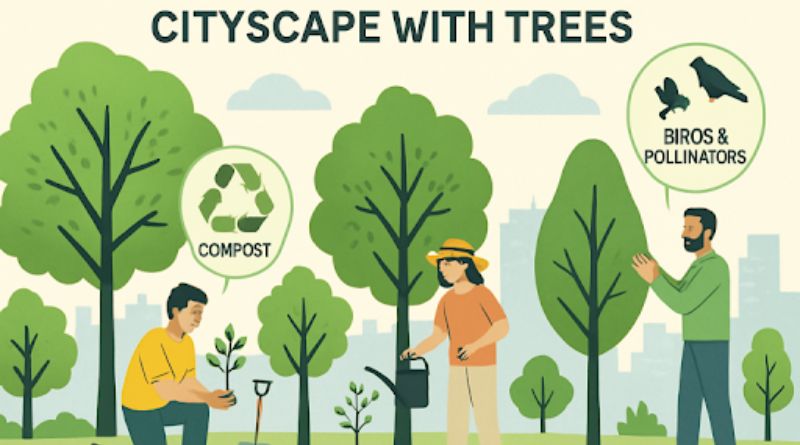
Urban forests play a crucial role in enhancing city environments by reducing air pollution, moderating urban temperatures, and fostering biodiversity. Caring for these trees sustainably not only promotes their health and longevity but also ensures that city landscapes remain vibrant and livable for future generations. If you’re a homeowner or property manager looking to make environmentally conscious tree care decisions, connecting with tree pruning and removal experts in Utah can help you design a plan that best fits your urban landscape’s unique needs.
Prioritizing eco-friendly maintenance helps cities combat climate change, support mental well-being, and create ecosystem services benefiting everyone. As urban populations continue to grow, sustainable green space management becomes increasingly urgent. Thoughtful tree care, from pruning to pest management, boosts community health and resilience. Drawing from arboriculture, ecology, and technology, best practices for urban tree care help planners, authorities, and residents maximize green benefits. Learning eco-friendly methods fosters harmony between urban life and the natural world. Urban tree canopies provide shade and serve as links to environmental stewardship. Through innovative, inclusive strategies, cities find new ways to sustain urban forests.
Eco-Friendly Pruning Techniques
Pruning urban trees is vital for their health and safety, involving selective cuts to promote growth and prevent weakness or disease. Strategic pruning maintains shape and strength, aligning the tree with its environment. Sustainable pruning considers species, growth cycles, and weather, with dormancy being ideal for minimizing stress and waste, enhancing sunlight and nutrient uptake.
Natural Pest Management Solutions
The indiscriminate use of chemical pesticides has long-lasting impacts on pollinators, beneficial insects, and the broader ecosystem. A sustainable tree care strategy involves employing natural pest control methods such as introducing beneficial insects (like ladybugs or parasitic wasps), using neem oil, or planting companion species that deter invasive pests. These alternatives reduce environmental harm and support urban biodiversity.
Integrated Pest Management (IPM) is a holistic approach that controls pests through a combination of observation, biological solutions, and targeted treatments used sparingly. By identifying and managing pest populations early, cities can maintain the health of their trees and protect the diverse urban wildlife that inhabits them.
Soil Health and Enrichment
The vitality of any urban tree depends on the quality of the soil beneath it. Poor or compacted urban soils can limit root growth and water retention. Sustainable care involves regularly adding organic matter to the soil, such as compost, and mulching with wood chips to improve water infiltration and promote microbial activity. Natural fertilizers further replenish soil nutrients without risking chemical runoff or pollution.
Healthy soil creates a thriving underground ecosystem that supports trees against diseases, pests, and drought. Routine soil testing and enrichment not only boost tree resilience but also improve stormwater management in urban areas by increasing the ground’s ability to absorb rainfall.
Community Involvement in Urban Forestry
Urban forestry programs gain strength when communities take an active role in planting, caring for, and advocating for local trees. Volunteer tree planting events, stewardship programs, and ecological education workshops foster a deeper connection between residents and the urban landscape. Initiatives like The Greening of Detroit have engaged thousands, transforming vacant property into lush public forests and gardens. Community efforts build stewardship, promote environmental awareness, and unite neighborhoods in shared improvement projects.
Leveraging Technology for Tree Care
Technological innovations are revolutionizing urban tree care. Advanced monitoring systems, such as GreenScan, utilize a combination of thermal imaging, multispectral sensors, and satellite data to remotely assess tree health. These tools enable arborists to identify signs of stress, disease, or pest infestations before they become visible to the naked eye, allowing for swift remedial action. Digital mapping and mobile apps also help track tree inventory and maintenance schedules efficiently, making urban tree management more proactive and data-driven.
Conclusion
Sustainable tree care practices are vital for cultivating healthy and resilient urban forests. Through eco-friendly pruning, natural pest management, enriched soil practices, community engagement, and integration of new technology, cities can ensure the vitality of their green spaces. By embracing these strategies, communities build healthier environments, mitigate urban heat, and protect the benefits that urban forests offer for everyone.
Read Also: