
Japanese mythology is one of the richest and most complex traditions in the world, filled with a vast array of supernatural beings that range from benevolent gods to terrifying monsters. Among the most fascinating of these figures are the demons, spirits, and oni that populate ancient folklore, classical literature, and modern pop culture alike. Japanese demon names carry centuries of cultural meaning, serving as warnings, moral lessons, and reflections of humanity’s deepest fears. Understanding these names not only gives insight into Japan’s spiritual landscape but also reveals how the Japanese people have long tried to make sense of the chaotic and dangerous forces of the natural world.
The Origins of Demons in Japanese Culture
To truly appreciate the depth behind japanese demon names, it is important to first understand where these beings come from. Japanese demons, broadly referred to as “yokai” or “oni,” have roots in both indigenous Shinto beliefs and Buddhism, which arrived in Japan from China and Korea around the 6th century. The blending of these two spiritual traditions created a rich demonology unlike anything found elsewhere in the world. Shinto tradition speaks of malevolent kami, or spirits, that can cause illness, natural disasters, and misfortune if not properly appeased. Buddhism introduced concepts of hell realms and demonic torturers that punish the wicked in the afterlife. Over centuries, these ideas merged into a complex pantheon of supernatural beings, each with its own unique name, appearance, and area of terrifying influence. From mountain demons to sea creatures, the diversity of Japanese supernatural beings reflects a society that was deeply in tune with the unpredictability of nature and the consequences of moral failings.
Oni: The Most Recognizable of All Japanese Demon Names
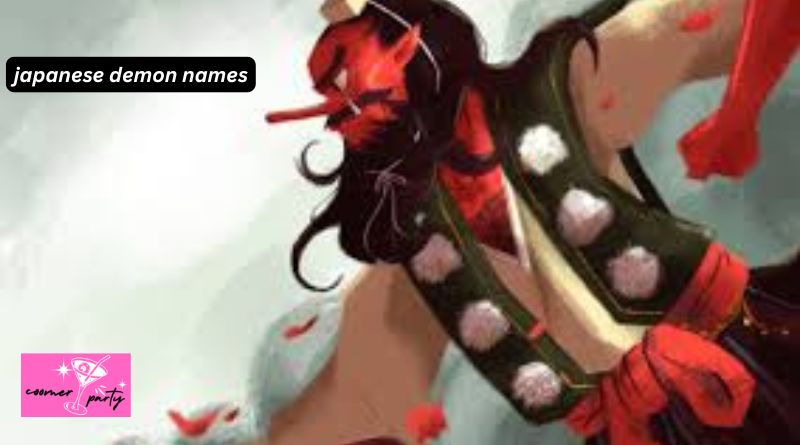
When most people think of japanese demon names, the oni is perhaps the first creature that comes to mind. The word “oni” is typically translated as “demon” or “ogre,” and these beings are iconic in Japanese culture. They are usually depicted as large, muscular figures with horns, wild hair, and fearsome expressions, often carrying iron clubs called kanabo. Oni are associated with evil, disease, and misfortune, and they traditionally served as the torturers of souls in Buddhist hell realms. Some of the most well-known oni include Shuten-doji, a fearsome demon lord who terrorized ancient Japan and was known for his love of sake and human flesh, and Ibaraki-doji, his loyal companion who was said to be even more vicious in battle. Despite their frightening nature, oni are also seen as protectors in some contexts, particularly during the annual Setsubun festival, where they are ritually driven away to welcome good luck into the home.
Prominent Japanese Demon Names and Their Stories
Beyond the oni, there are countless other japanese demon names that have left deep imprints on the culture, literature, and art of Japan. One of the most haunting is the Tengu, a class of supernatural beings often depicted with long noses or bird-like features. Tengu are complex figures — they can be dangerous tricksters who lead travelers astray, but they are also revered as guardians of the mountains and teachers of martial arts to legendary warriors. Another striking name is Raijin, the god of thunder and lightning, who in some traditions takes on a demonic quality and is blamed for storms and destruction. Then there is Fujin, the wind god, his companion, who together represent the chaotic forces of weather that ancient Japanese farmers both feared and respected. The Kappa is another famous figure — a water-dwelling creature with a beak, scaly skin, and a dish of water on its head, known for drowning unsuspecting swimmers. Each of these beings comes with elaborate stories, rituals to ward them off, and moral lessons embedded in their legends.
Female Demons and Their Unique Power in Japanese Lore
A fascinating aspect of japanese demon names is the prominent role played by female supernatural beings. The Yuki-onna, or “snow woman,” is one of the most iconic — a pale, ethereal figure who appears during blizzards and either leads people to their frozen deaths or, in some stories, shows mercy to those who are pure of heart. The Jorougumo is another powerful female demon, appearing as a beautiful woman who is in reality a spider creature capable of ensnaring and consuming her victims. Perhaps the most terrifying of all female demons is the Hannya, a spirit born from jealousy and obsession. In Noh theater, the Hannya mask is one of the most recognizable images in all of Japanese art — a horrifying face with horns, bulging eyes, and a leering grimace that represents a woman’s soul twisted by jealousy into a demonic form. These female demons often served as cautionary tales about the dangers of unchecked emotion and the spiritual consequences of hatred and obsession.
The Cultural Legacy of Japanese Demon Names Today
The influence of japanese demon names extends far beyond ancient scrolls and temple carvings. Today, these figures are celebrated in anime, manga, video games, and films enjoyed by audiences around the world. Characters and storylines in popular media like Demon Slayer, Naruto, and Inuyasha draw heavily from traditional Japanese demonology, introducing new generations to figures like the shape-shifting Tanuki, the mischievous Kitsune fox spirits, and the terrifying ancient demons of classical legend. This ongoing cultural engagement shows that these names and the stories behind them still hold immense power and relevance. Whether encountered in a centuries-old text or a modern streaming series, japanese demon names remain a vivid and endlessly compelling part of Japan’s cultural identity, connecting the past to the present in ways that continue to inspire wonder and fear in equal measure.